
Respite Care for Family Caregivers
Caring for someone you love can be meaningful and exhausting at the same time. Respite care is planned support that lets a professional caregiver step in so you can rest, work, see your own doctor, or simply have a few hours to yourself.
Taking a break isn’t giving up. It’s how caregivers keep going.
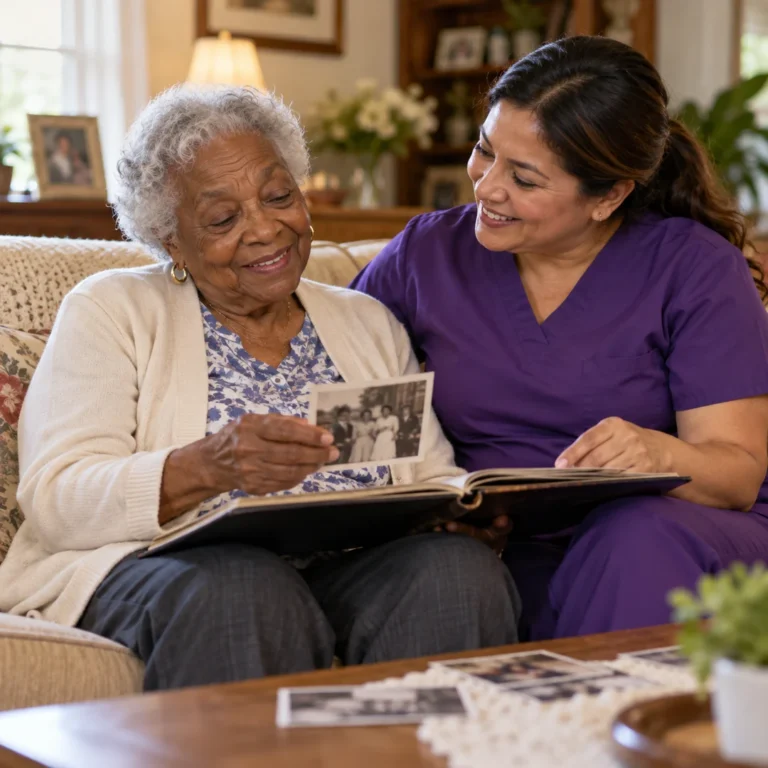
What Is Respite Care?
Respite care is temporary or scheduled help for the person you care for, so the regular caregiver gets time off. During a respite visit, a LoveWell caregiver can help with personal care, meals, companionship, and keeping your loved one safe, depending on the plan.

Signs You Need a Break
You’re tired most of the time, even after sleeping. You’ve stopped seeing friends or missed your own appointments. You feel irritable, anxious, or resentful, then guilty about it. Your own health is slipping, or you’re the only person who ever covers.
If several of these sound familiar, it’s time to plan some relief. You don’t need to wait for a crisis.
How Families Use Respite
Respite can be a few hours, a regular weekly block, an overnight, or several days in a row. Families often use respite for:
- A standing weekly block, such as every Tuesday afternoon
- Overnights, so you can sleep through the night
- Coverage while you travel for work or family events
- Extra help while you recover from your own surgery or illness
- A regular break during the hardest part of the week
No-Cost Respite for Dementia Caregivers
Standard in-home respite is usually paid privately by the hour. But if your loved one is 65 or older, has moderate to severe dementia and Traditional Medicare, and you’re their unpaid caregiver, they may qualify for Medicare’s GUIDE Program. Medicare covers up to $2,625 a year in respite care, about 76 hours of in-home care from LoveWell Care Services caregivers, at no cost to your family.
Before Your First Respite Visit
- About your loved one: write a one-page sheet with their routine, favorite foods, and what calms or upsets them.
- Contacts: list emergency contacts and doctors where the caregiver can find them.
- Medications: keep a current list visible. Caregivers give reminders but don’t give medications.
- First visit: plan a shorter visit while you’re still home, then build up.
- A heads-up: tell your loved one ahead of time who is coming and why.
How Families Pay for Respite
Most families pay for standard respite privately by the hour, and some use long-term care insurance or other benefits. Families caring for someone with dementia should also ask about GUIDE, which is open to people 65 and older on Traditional Medicare (not Medicare Advantage or other managed care plans) who live at home or in an independent living community and are not on hospice.
Respite Support Across North Texas
LoveWell Care Services provides respite care throughout our North Texas service area:
- Collin
- Dallas
- Denton
- Fannin
- Grayson
- Kaufman
- Rockwall
- Tarrant

Frequently Asked Questions
No. Respite can be a few hours, a regular weekly block, an overnight, or several days in a row.
Standard in-home respite is usually private pay. Families caring for someone 65 or older with moderate to severe dementia may qualify for up to 76 hours a year at no cost through the GUIDE Program.
Most people adjust well when the caregiver is consistent and the first visit is short. Being home for the first visit helps.
No. Any family caregiver can use respite care.
Part of the LoveWell Family



You Take Care of Them. Let Us Help Take Care of You.
Tell us who needs help, what’s getting harder, and where care would happen. We’ll explain your options in plain language, and there’s no obligation to decide on the first call.