
- LoveWell Care Guide
Heart Disease / Heart Failure
Heart failure can follow an unpredictable course. Some people have periods of relative stability interrupted by hospitalizations or episodes of worsening symptoms. This uncertainty can make hospice timing difficult.
A hospice conversation can help families discuss what the illness is doing, what treatments are accomplishing, and what matters most to the person receiving care.

What Advanced Heart Failure May Look Like
The experience varies, but families may notice increasing fatigue, breathlessness, swelling, or reduced ability to perform daily activities.
- Shortness of breath with small amounts of activity or at rest
- Increasing fatigue or weakness
- Swelling or discomfort that is difficult to manage
- Repeated hospitalizations or urgent treatment changes
- Growing need for assistance with daily care

When Hospice May Enter the Conversation
Hospice may be worth discussing when heart disease is advanced, symptoms are burdensome, and the overall prognosis and care goals support comfort-focused care.
The diagnosis or a single test result is not enough to determine eligibility.
Managing Symptoms and Daily Comfort
A hospice plan may address breathlessness, fatigue, anxiety, discomfort, and practical caregiving concerns. The team coordinates with the patient and other clinicians about medications and interventions appropriate to the goals of care.

Devices, Medications, and Complex Decisions
Some people with advanced heart disease use implanted devices or complex medication regimens. Decisions about devices and treatments are individualized and should be discussed with the cardiology and hospice teams.
Do not change medications or device settings based on general website information.
Talking About Goals of Care
Ask what outcomes are realistic, whether hospital care is providing the benefit the person wants, and what a comfort-focused plan could look like in the preferred setting.
Family and Caregiver Support
Families may need guidance about symptom changes, daily routines, and who to call with concerns. Hospice can provide education and coordinated support within the plan of care.
LoveWell Hospice in North Texas
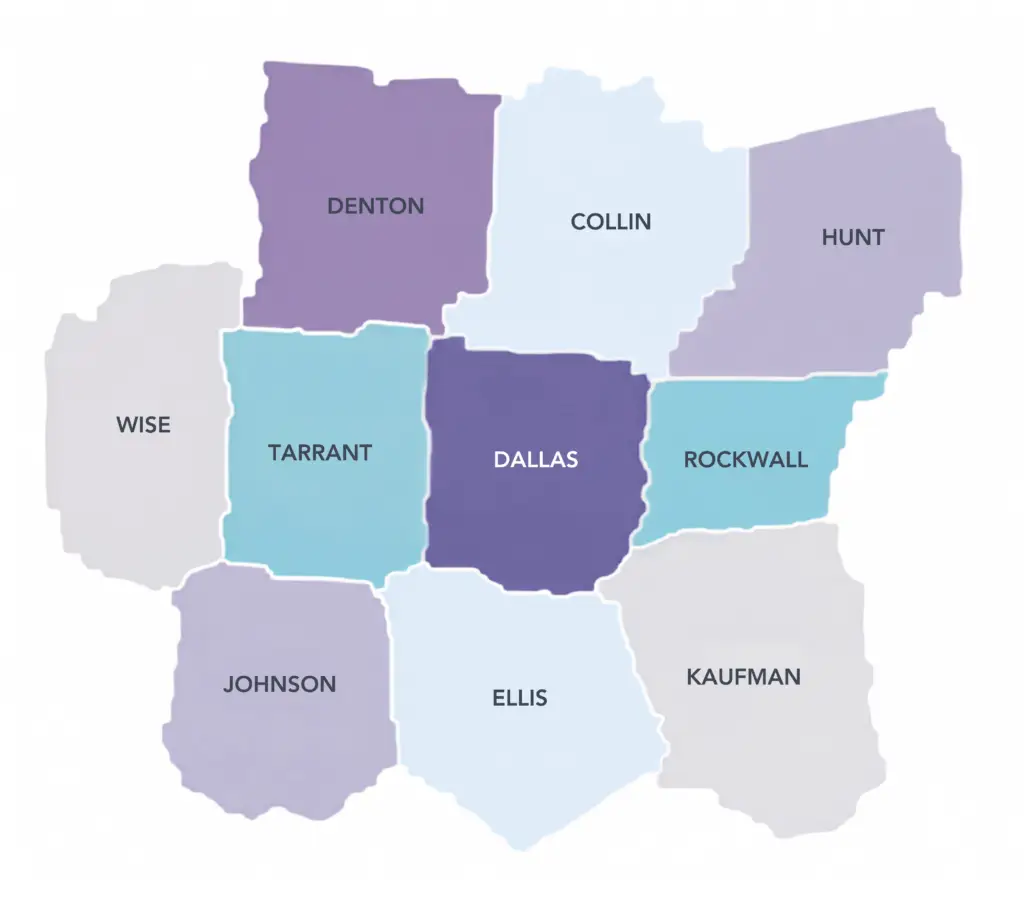
LoveWell provides care throughout our North Texas service area:
- Collin
- Cooke
- Dallas
- Denton
- Fannin
- Grayson
- Hunt
- Kaufman
- Rockwall
- Tarrant
- Wise
Why Heart Failure Can Be Unpredictable
People with advanced heart failure may have periods of relative stability interrupted by sudden worsening. This can make prognosis and care planning difficult. Repeated admissions, declining activity tolerance, and increasing symptom burden may prompt a conversation even when the next change is uncertain.
Symptoms and Practical Comfort Needs
Breathlessness, fatigue, swelling, sleep difficulty, and anxiety can interfere with daily life. The care team can review the patient’s symptoms and develop an individualized approach to comfort while considering existing medications and treatment goals.
Pacemakers, Defibrillators, and Other Devices
Patients with implanted cardiac devices may need specific conversations about what each device does, how it aligns with goals of care, and whether any settings should be reviewed. These are clinical decisions that should involve the appropriate specialists and the patient or authorized decision-maker.

Conversations Families Can Start
Ask what future hospitalizations are likely to accomplish, which treatments are improving daily life, and what support would help the person remain comfortable in their preferred setting.
Frequently Asked Questions
Yes, some people with advanced heart failure may qualify based on the overall condition and prognosis.
No single number alone establishes hospice eligibility.
No. Medications are reviewed individually based on comfort, goals, and the care plan.
Discuss device-specific decisions with the cardiology and hospice teams.
Part of the LoveWell Family



You Don't Have to Know When the Time Is Right
If you are caring for someone with a serious illness and are wondering what support may be appropriate, you do not need to have all the answers before starting a conversation. LoveWell Hospice can help you understand hospice, the evaluation process, and possible next steps.
Ask questions about hospice care or discuss whether an evaluation may be appropriate. A conversation does not obligate you to enroll.