
Personal Care at Home
Help with bathing, dressing, and other personal routines is one of the most common reasons families look into in-home non-medical care. It’s also one of the hardest things to ask for. Personal care gives your loved one hands-on help from a caregiver while protecting their privacy, dignity, and say in how things are done.

Personal Care at a Glance
- What it is: hands-on, non-medical help with bathing, dressing, grooming, toileting, and moving safely through the day.
- Who helps: a consistent LoveWell caregiver, overseen by a field supervisor.
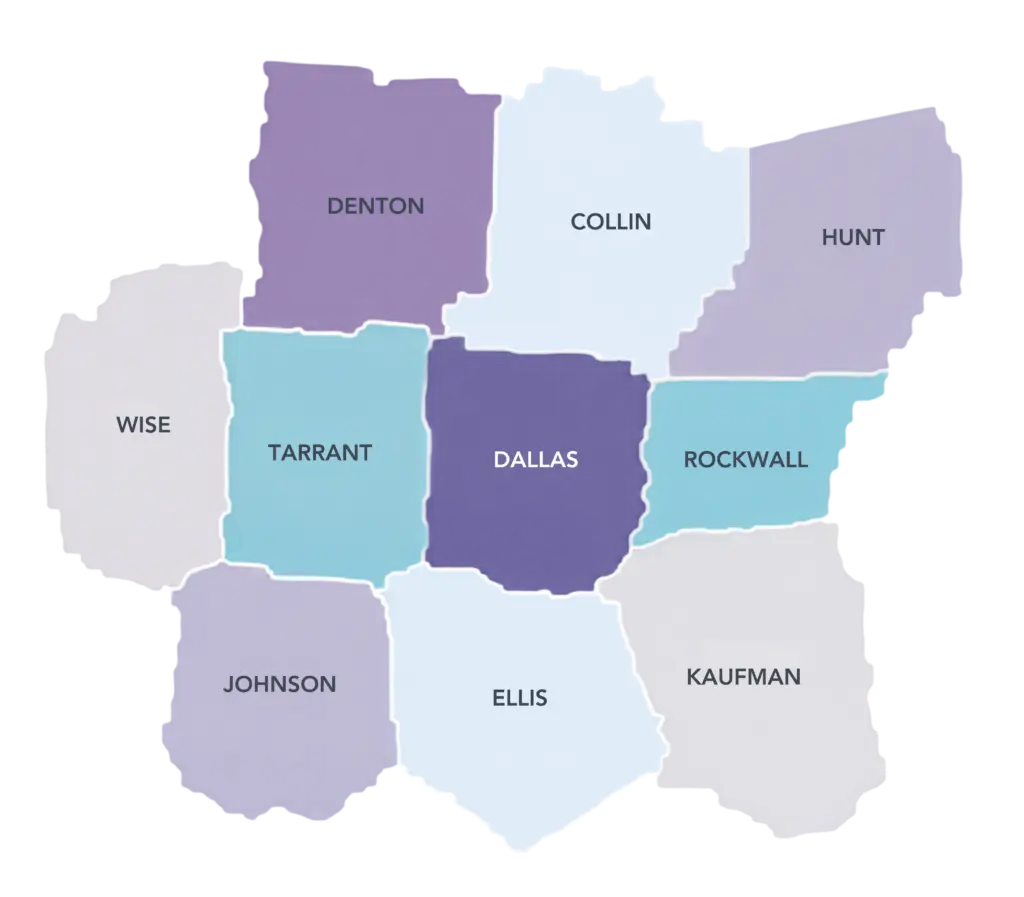
- Where: your loved one’s home or independent living apartment, across 8 North Texas counties.
- How often: you choose, from a few hours a week to overnight or 24-hour care.
- Cost: usually private pay by the hour. We’ll give you a clear quote before care begins.
What Personal Care Includes
Personal care covers the everyday self-care tasks known as activities of daily living. A caregiver can help with:
- Help at mealtimes
- Bathing, showering, and sponge baths
- Toileting and incontinence care
- Moving from bed to chair, walking, and positioning
- Dressing, undressing, and grooming, including hair care, shaving, and oral care

Signs Personal Care Could Help
You may notice skipped showers or clothes that aren’t being changed, getting dressed taking much longer, nervousness about the bathroom, or a family member now helping with bathing in a way that’s straining the relationship.
These are reasons to ask questions, not to make assumptions. Some changes have medical causes, so mention new or sudden changes to their doctor.
Dignity and Safety Come First
- Ask first: help is offered, explained step by step, and never rushed.
- Independence: your loved one does what they can on their own, with support where it’s needed.
- Routines: care follows their preferences, like bathing in the evening or a favorite outfit.
- Privacy: your loved one stays covered and comfortable throughout care.
- Bathroom safety: grab bars, a shower chair, non-slip mats, and night lights make personal care safer for everyone.
How Personal Care Fits With Other Support
Personal care is non-medical. Caregivers don’t provide wound care, injections, giving medications, or managing medical equipment. If your loved one needs those services, a home health, hospice, or palliative team provides them, and personal care can work alongside that team.
Many people who need help with bathing and dressing also benefit from companionship, help with meals, or a regular break for the family caregiver. One plan can cover all of it.
Questions to Ask Before Care Begins
Clear answers make it easier to compare care options:
- Which personal care tasks are included?
- How is the schedule set, and is there a minimum visit length?
- Will the same caregiver come each time?
- What happens if needs change?
- What is the hourly rate, and how is billing handled?
Personal Care in North Texas
- Collin
- Dallas
- Denton
- Fannin
- Grayson
- Kaufman
- Rockwall
- Tarrant
Can Personal Care Start This Week?
Often sooner. In many cases, care can begin the same day. Call LoveWell Care Services at (469) 689-4463. Our phones are answered 24/7.
Frequently Asked Questions
No. Personal care is help with daily routines. Nursing is skilled medical care provided by licensed nurses.
Yes. Help with bathing and showering is one of the most common personal care tasks.
Original Medicare generally does not pay for help with bathing when that’s the only care needed. Families usually pay privately or check other benefits such as long-term care insurance.
That’s very common. Starting with one task, keeping the same caregiver, and letting your parent set the routine usually helps.
Part of the LoveWell Family



You Don't Have to Have Every Answer
Tell us who needs help, what’s getting harder, and where care would happen. We’ll explain your options in plain language, and there’s no obligation to decide on the first call.