
- LoveWell Care Guide
COPD / Advanced Lung Disease
Advanced COPD and other lung diseases can make ordinary activities exhausting. Walking across a room, bathing, eating, or speaking may require more effort as symptoms progress.
Families may wonder when treatment is no longer enough and whether hospice could help focus care on comfort and the person’s goals.

Changes Worth Discussing
A pattern of worsening breathlessness and functional decline can be a reason to revisit goals of care. These changes do not, by themselves, prove hospice eligibility.
- Breathlessness with minimal activity or at rest
- More frequent exacerbations, emergency visits, or hospital stays
- Increasing fatigue and dependence on others
- Changes in appetite or weight
- Greater difficulty managing symptoms despite treatment

How Hospice Can Support Comfort
The hospice plan may include assessment and management of breathlessness, anxiety, fatigue, and other symptoms. Caregivers can be taught how to recognize distress and use the prescribed comfort plan.
Medication and oxygen decisions are individualized; the website should not be used to start, stop, or change treatment.
Oxygen and Respiratory Treatments
Some patients use oxygen or other respiratory therapies. Whether a treatment is included in the hospice plan depends on clinical need, the patient’s goals, and benefit rules. Ask the team to review existing equipment and medications.

Balancing Hospital Visits and Care Goals
Repeated exacerbations can lead to difficult decisions. Ask what hospitalization is expected to accomplish, which treatments still help, and whether a home-centered comfort plan matches the patient’s wishes.
Eligibility Is Not a Single Oxygen Number
The hospice team reviews the full course of illness, functional status, symptoms, and prognosis. No single oxygen reading or diagnosis establishes eligibility.
Planning for Changes
Ask for clear instructions on whom to contact if breathing worsens, what symptoms require urgent medical attention, and how the care plan will be reviewed.
LoveWell Hospice in North Texas
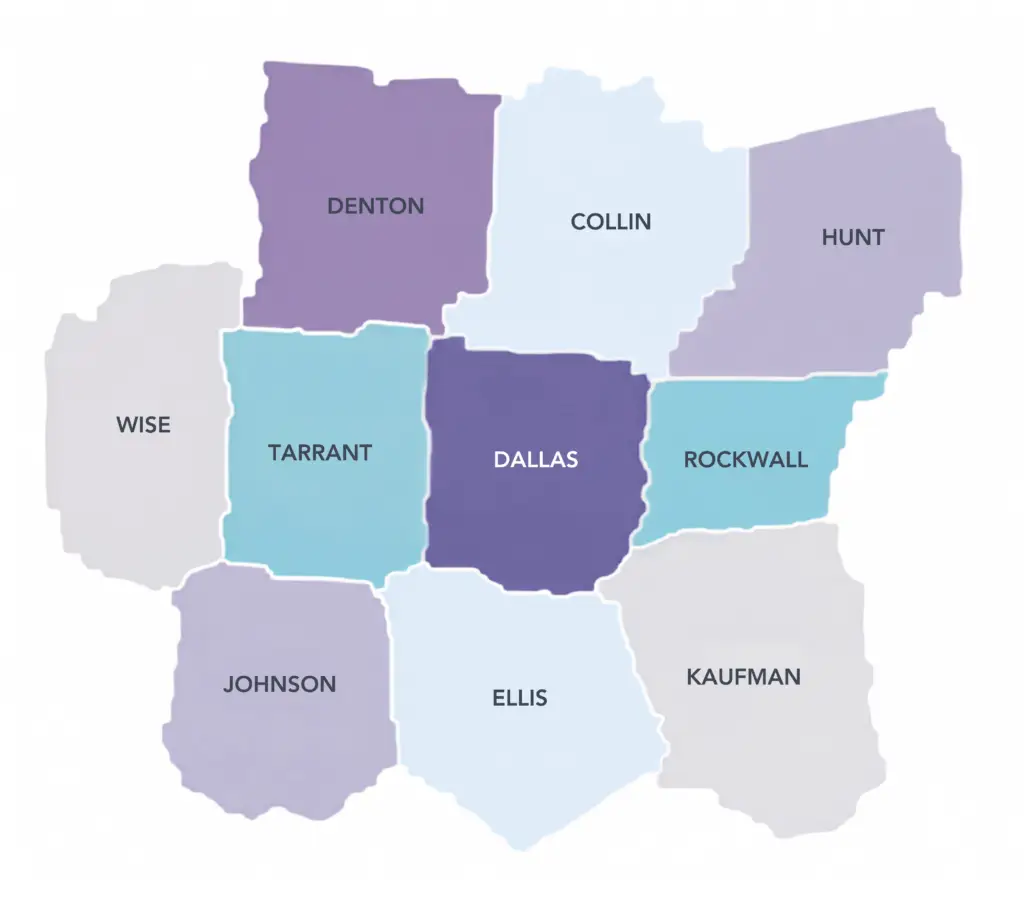
LoveWell provides care throughout our North Texas service area:
- Collin
- Cooke
- Dallas
- Denton
- Fannin
- Grayson
- Hunt
- Kaufman
- Rockwall
- Tarrant
- Wise
Breathlessness Affects More Than Breathing
Shortness of breath may make bathing, dressing, walking, eating, and conversation exhausting. Anxiety can intensify the experience of breathlessness, and a difficult breathing episode can be frightening for both the patient and caregiver.
Questions About Oxygen and Medications
Families should ask the clinical team how oxygen, inhaled medicines, other prescribed therapies, positioning, and energy-conservation strategies fit the patient’s goals. No single oxygen setting or saturation number determines hospice eligibility.
Do not change oxygen settings or medication doses without clinical guidance.
Planning for Difficult Breathing Episodes
Ask the care team for a clear, written plan: which symptoms should prompt a call, which prescribed comfort measures may be used, and what to do if the patient appears to be in immediate danger. Knowing the plan in advance can reduce confusion during a stressful episode.

Balancing Treatment and Comfort
A person with advanced lung disease may face repeated decisions about hospitalization, tests, respiratory support, and the burden of travel. The care team can explain the likely benefits and burdens of each option in light of the patient’s wishes.
Frequently Asked Questions
No. The overall clinical condition and prognosis must support hospice eligibility.
No. Oxygen and other therapies are reviewed in the context of the individualized comfort plan.
Symptom management is a central part of hospice care, with interventions tailored to the patient.
Follow the patient’s clinician-provided emergency or hospice instructions; sudden severe symptoms require prompt assessment.
Part of the LoveWell Family



You Don't Have to Know When the Time Is Right
If you are caring for someone with a serious illness and are wondering what support may be appropriate, you do not need to have all the answers before starting a conversation. LoveWell Hospice can help you understand hospice, the evaluation process, and possible next steps.
Ask questions about hospice care or discuss whether an evaluation may be appropriate. A conversation does not obligate you to enroll.